
Since Christmas, I’ve been poring over seed catalogs and back issues of Organic Gardener (My dad was a subscriber through the 1980s and ’90s and I inherited his collection) eager to get started on the backyard garden.
I’ve plotted my plots with care, cleaned and oiled my tools and am repairing trellises.
About two weeks ago, I started some seeds. Kale, broccoli, two kinds of egg plants, and jalapeño and cayenne pepper seeds are sprouting right now, and I will be starting tomatoes and various lettuces in the next few days. We’ve still got some snow on the ground from those killer storms of the last couple weeks, so it’s hard to imagine I’m just weeks away from actually setting plants in the ground, but all the charts tell me that time is approaching.
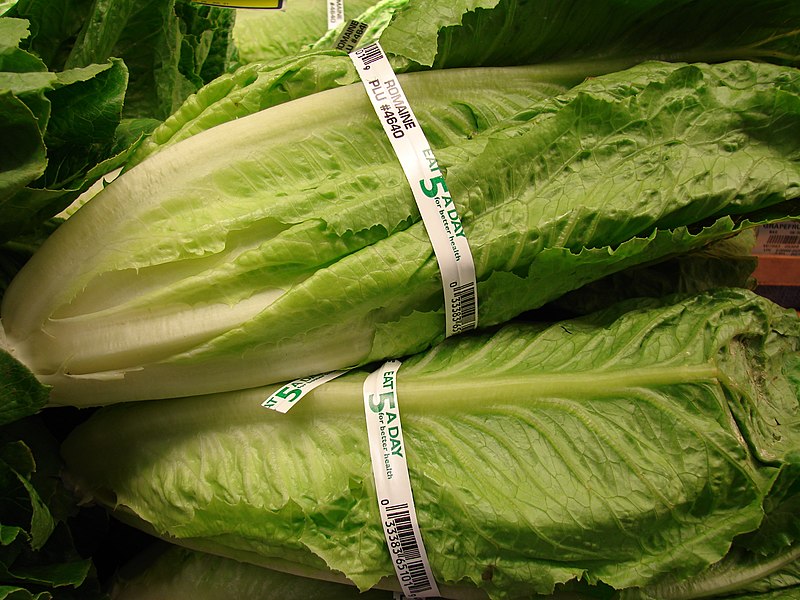
With these projects in mind, this article in Wired by Maryn McKenna (@marynmck) caught my eye: “Can Lettuce Survive Climate Change?”
Researchers have already predicted that climate change is making food more costly and harder to produce as temperatures rise and water becomes increasingly scarce (especially in Arizona and California where most commercial lettuce is grown). McKenna’s article, though, goes one step further, exploring the question of whether extreme weather (sudden frosts, strong winds, high heat) brought on by climate change is making commercial production of lettuce more vulnerable to E. coli bacteria contamination.
McKenna looks at the results of investigations into the E. coli outbreaks in romaine lettuce last year and discovers that the suspected sources of contamination (tainted water used to either irrigate or wash the crops) may not have been the real cause.
McKenna reports that instigators from federal food safety inspectors and from growers’ associations are converging on an “unnerving hypothesis” that focus on a series of freak weather patterns in the Yuma, Arizona, valley: an unusual frost followed by strong winds. She writes:
The hypothesis of what happened next goes like this: The freeze blistered the leaves, breaking up their surface; then the winds blasted bacteria into the superficial wounds the freeze created, and the pathogens found their way into the vascular channels within the leaf, where they could not be washed away. But no one at the time thought to check for food-safety dangers; growers were focused on rescuing as much crop as possible.
McKenna writes: “It’s a threat that no one is sure how to mitigate, and it’s likely to only get worse.”
For another take on this topic, from another part of the world, see: “Climate change could damage quality and raise cost of produce, study finds.” Researchers at the University of Melbourne find that climate change will have serious effects on the quality and cost of food ranging from bananas to beef.
I’m hoping for a bountiful crop out of the backyard.
PS: McKenna is also author of the 2017 book Big Chicken: The Incredible Story of How Antibiotics Created Modern Agriculture and Changed the Way the World Eats, which you may want to check out.
 Dennis Coday